Livonia Craft Trenchless prepared this homeowner decision guide for Livonia and nearby metro Detroit communities. Compare host-pipe geometry, preparation, cure controls, launch pits, displacement, utilities, grade, connections, soil, groundwater, and closing records.
The purpose is to make a buried-pipe recommendation easier to review. It does not replace an address-level camera inspection, permit check, utility locate, or a qualified provider’s written scope.
Lining preserves the route
CIPP creates a cured tube inside a cleaned host pipe. It depends on passable geometry, controlled preparation, specified material, cure verification, branch treatment, and a closing inspection.
Lining preserves the route: questions for the written scope
Ask how the observation was measured, what evidence supports it, which property section it affects, which alternatives remain, and what would change the recommendation. Preserve the answer beside the footage instead of relying on a short verbal summary.
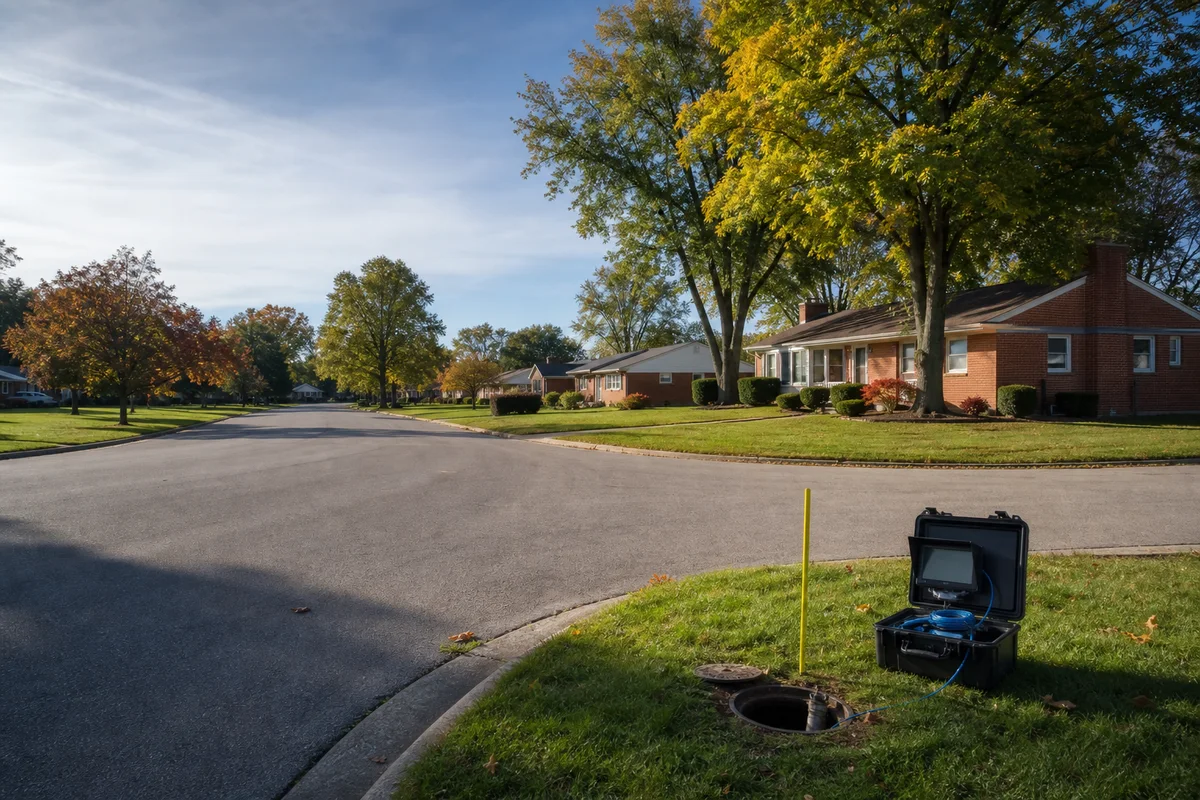
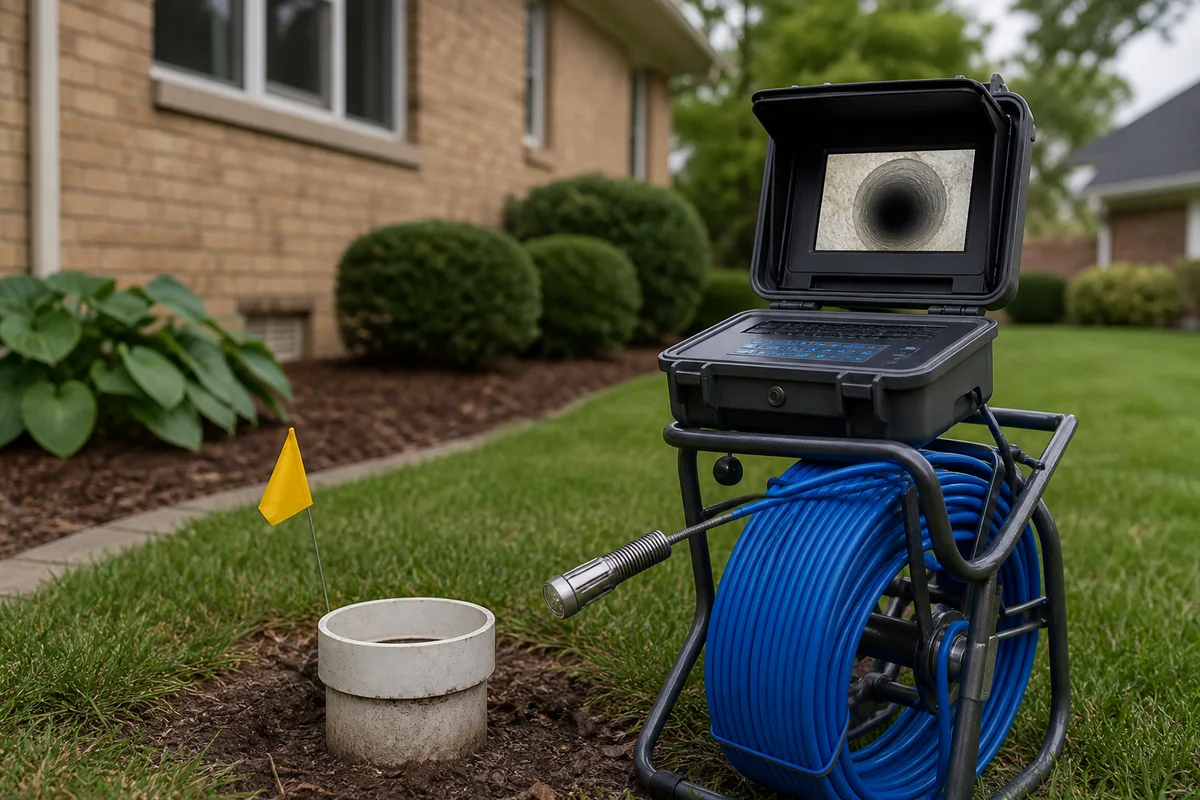
Connect the camera station to the surface before comparing access. A distance counter without a fixed reference can create a clean-looking report that still cannot guide a pit, repair endpoint, or restoration plan.
Bursting replaces the run
A bursting head fractures or splits the old pipe while pulling new pipe through the corridor. It needs workable pits, compatible old material, displacement room, safe utility clearance, and manageable bends.
Bursting replaces the run: questions for the written scope
Ask how the observation was measured, what evidence supports it, which property section it affects, which alternatives remain, and what would change the recommendation. Preserve the answer beside the footage instead of relying on a short verbal summary.
Compare the same inspection record across proposals. Different prices are easier to understand when cleaning, locating, access, permits, inspection, branch work, closeout evidence, and restoration appear as separate lines.
Clay-rich soil changes planning, not the diagnosis
Retained water, pit stability, spoil handling, and restoration may change in clay-rich ground. Soil context does not choose the method by itself because the pipe geometry and route remain primary.
Clay-rich soil changes planning, not the diagnosis: questions for the written scope
Ask how the observation was measured, what evidence supports it, which property section it affects, which alternatives remain, and what would change the recommendation. Preserve the answer beside the footage instead of relying on a short verbal summary.
Connect the camera station to the surface before comparing access. A distance counter without a fixed reference can create a clean-looking report that still cannot guide a pit, repair endpoint, or restoration plan.
Compare access and operating impact
Lining may concentrate work at existing access points, while bursting normally requires launch and receiving areas. Commercial properties also need flow control, tenant notice, bypass, and an agreed interruption window.
Compare access and operating impact: questions for the written scope
Ask how the observation was measured, what evidence supports it, which property section it affects, which alternatives remain, and what would change the recommendation. Preserve the answer beside the footage instead of relying on a short verbal summary.
Compare the same inspection record across proposals. Different prices are easier to understand when cleaning, locating, access, permits, inspection, branch work, closeout evidence, and restoration appear as separate lines.
Require method-specific closeout
Lining closeout should show the cured tube, endpoints, and branch reinstatement. Bursting closeout should confirm new-pipe continuity, connections, test results, and restored access areas.
Require method-specific closeout: questions for the written scope
Ask how the observation was measured, what evidence supports it, which property section it affects, which alternatives remain, and what would change the recommendation. Preserve the answer beside the footage instead of relying on a short verbal summary.
Connect the camera station to the surface before comparing access. A distance counter without a fixed reference can create a clean-looking report that still cannot guide a pit, repair endpoint, or restoration plan.
Keep excavation in the comparison
A controlled excavated repair can be the better path for a failed fitting, local collapse, grade correction, or accessible short defect. Trenchless is a method family, not an automatic outcome.
Keep excavation in the comparison: questions for the written scope
Ask how the observation was measured, what evidence supports it, which property section it affects, which alternatives remain, and what would change the recommendation. Preserve the answer beside the footage instead of relying on a short verbal summary.
Compare the same inspection record across proposals. Different prices are easier to understand when cleaning, locating, access, permits, inspection, branch work, closeout evidence, and restoration appear as separate lines.
Keep one property record from diagnosis through closeout
A useful owner file includes the original footage, a station log, material notes, surface locations, the written recommendation, permit and inspection records, invoices, and closing evidence. The record should distinguish what was observed from what remained unknown.
When a proposal changes after cleaning or access, the revised scope should identify the newly discovered condition and explain why it changes the method, work zone, or restoration. That written decision point is more useful than a verbal field adjustment.
This website provides planning information and routes quote requests. It does not diagnose a property from a distance, guarantee a method, or replace inspection by a qualified local provider.
Use the camera inspection guide, compare all repair options, review Livonia-area coverage, or send the property context.
Primary references for this guide
- U.S. EPA trenchless rehabilitation fact sheet
- Wayne County environmental permit guidance
- City of Livonia GIS resources
Common Questions
What should I keep from a sewer inspection?
Keep the complete recording, access point, direction, measured stations, materials, defects, visibility limits, surface locations, and any written recommendation.
Can this guide determine the method for one property?
No. It is a comparison framework. The actual route, material, defects, access, utilities, jurisdiction, and current inspection record still govern the decision.
When should a sewer proposal be revised?
Revise it when cleaning, locating, access, or inspection reveals a condition that changes the selected method, work zone, permit path, or restoration.
Who owns the private sewer lead in Livonia?
The City of Livonia states that the property owner is responsible for the individual sewer lead and its connection to the city main.